Outdoor digital signage
LINE — KS-IOT049RO SERIES · 43 / 49 / 55 / 65 INCH · 2000–2500 NITS
Outdoor signage is a separate line because daylight changes everything: brightness, enclosure and placement all work differently outside. This category is built around one published series, so the figures you shortlist against are the figures the manufacturer prints for it.
At a glance
- Series
- KS-IOT049RO-VM
- Sizes
- 43 / 49 / 55 / 65 inch
- Brightness
- 2,000–2,500 nits
- Resolution
- 1920 × 1080
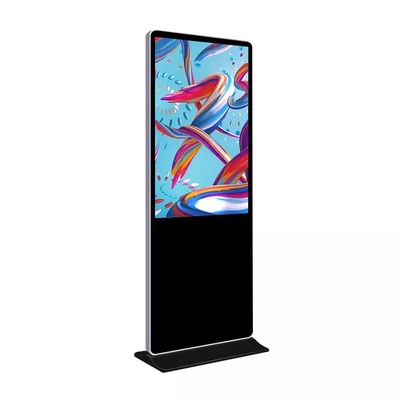
Built for daylight and outdoor sites
The KS-IOT049RO series is the manufacturer's outdoor line: four sizes sharing one published brightness band of 2,000 to 2,500 nits and a 1920 × 1080 panel resolution. That band is what separates an outdoor screen from an indoor one placed hopefully in a window — it is the range at which content stays readable when the sun is on the glass. The series page collects the four models in one table, and the model page carries the full published specification.
Outdoor projects also turn on questions a brightness figure cannot answer: how the unit is mounted, what it faces, and what the site does to screens over a year of weather. The maintenance note on the blog and the brightness guide work through those questions in order, so the model choice comes last instead of first.
Specification summary
| Item | Published figure | Notes |
|---|---|---|
| Sizes in the series | 43, 49, 55 and 65 inch | Four models, one series |
| Brightness band | 2,000–2,500 nits | The figure that decides daylight readability |
| Panel resolution | 1920 × 1080 | Across the series |
| Warranty | Per model, confirmed in the quotation | The model page states the listing's warranty line for this series |
Mounting, orientation and upkeep
Outdoor buying does not end at brightness. How the unit is mounted — floor-standing as the series is sold, or integrated into a site structure — decides the installation cost more than the size does, and orientation decides whether the published brightness band is spent fighting the sun or working with it. A unit that faces across the sun's path ages better than one that faces into it, and the maintenance checklist on the blog turns that into a seasonal routine rather than a hope.
Upkeep is the other half of the outdoor decision: screens outdoors live in weather, and the sites that keep them readable are the ones with a named owner and a cleaning rhythm. Budget the routine when you budget the hardware; it is cheaper than the replacement cycle it prevents.
How the four sizes divide real sites
Entrances and forecourts read at a few metres and suit the 43 and 49 inch models; drive-through and parking frontage reads at vehicle distance and justifies 55; plazas and road frontage, where the screen competes with a whole visual field, are the 65 inch's home. If a site list spans all four, cost it as one mixed order — the series is one system, and mixed sizes share content formats and spares logic.
Before you order
- Measure the site before the screen: viewing distance and sun direction decide size and whether the band is enough.
- Tell us your target quantity and configuration so we can confirm the minimum order for your project.
- Share your required delivery date and confirm the production schedule in your quotation.